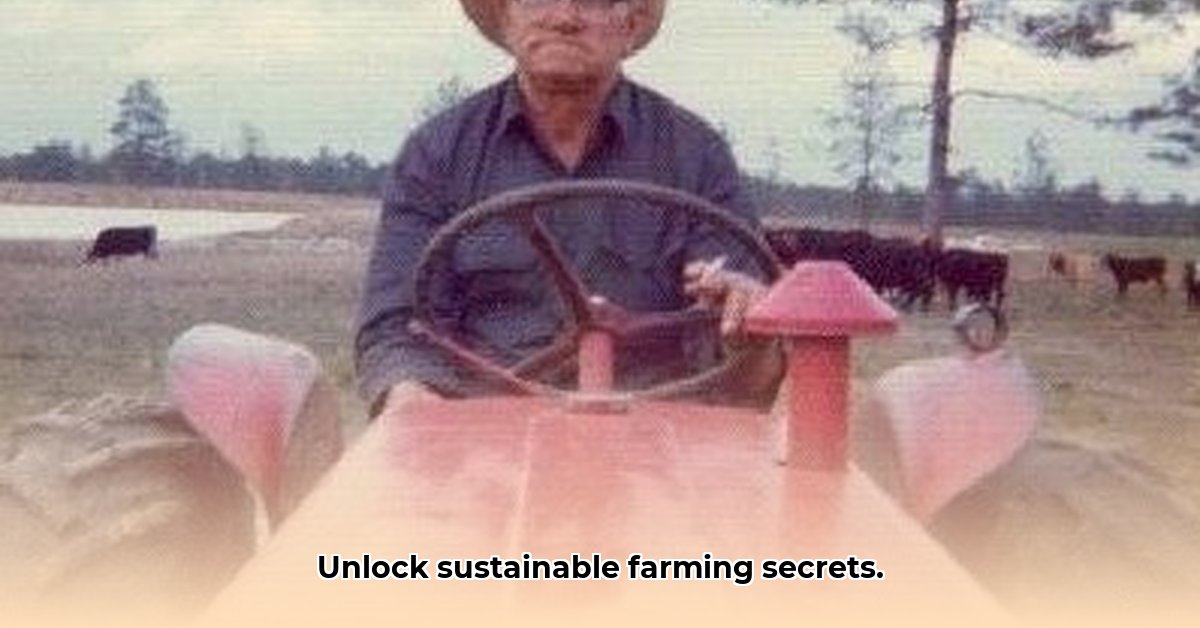
The sun dipped below the Iowa horizon, painting the sky in hues of orange and purple. Silas, a farmer whose face bore the map of a lifetime spent under the sun, slowly guided his vintage John Deere tractor back to the barn. Dust motes danced in the fading light, a halo around the machine, its paint chipped and faded, a testament to decades of loyal service. This wasn't a scene from a history book; it was a practical lesson in sustainable agriculture. Because Silas's trusty, antique tractor, far from being a relic, is quietly becoming a key player in a more environmentally conscious farming future. For more restoration ideas, check out these tractor seat ideas.
For years, the agricultural industry has championed technological leaps: GPS-guided planting, automated harvesting, tractors resembling spaceships more than farm equipment. But amidst the gleaming new machinery, the reliable old tractors are making a comeback. They're proving that sometimes, the simplest solutions are the most effective, especially when sustainability is paramount. These aren't just pieces of history; they're potentially vital tools for the future of farming. Let's delve into why.
The Surprisingly Smart Economics of Antique Tractors
Let's be clear: an antique tractor isn't a get-rich-quick scheme. It's an investment, but a different kind of investment than the high-dollar, technologically advanced machines dominating the market. The upfront cost is significantly lower. Instead of a crippling loan, a farmer might purchase an older model for a fraction of the cost of a new tractor, a considerable advantage for smaller operations or beginning farmers.
But this initial savings is just the beginning. Repairing an antique tractor demands a different skill set. It's less about replacing computer chips and more about understanding the mechanics of a simpler machine. Fortunately, a passionate community of mechanics and enthusiasts keeps these tractors running, fostering a unique niche economy and safeguarding a level of agricultural craftsmanship that’s becoming increasingly rare. This also represents a return to the days of self-sufficiency in repairs, which is both cost effective and environmentally sound.
The Challenges: Honesty About the Trade-offs
Let's acknowledge the downsides. Antique tractors aren't fuel-efficient; they consume more fuel than their modern counterparts. Finding replacement parts can be challenging, demanding patience and resourcefulness. And safety features? Let's just say they're not as sophisticated. Careful operation and meticulous maintenance are absolutely crucial.
However, these challenges are balanced by several key factors. The lower initial purchase greatly reduces debt. The reduced manufacturing footprint of these older machines also significantly lowers their overall environmental impact compared to the resources needed to produce newer models. Well-maintained antique tractors can last for decades, minimizing the frequent replacements that contribute significantly to resource consumption and waste.
Sustainability: A Long View
The debate around agricultural sustainability is complex. Modern farming significantly increases yields, but this often comes at the cost of increased environmental impact. The energy consumption and manufacturing emissions of modern equipment are major contributors. Antique tractors offer a different perspective.
While their fuel efficiency is a drawback, their longevity and significantly smaller manufacturing footprint lessen overall environmental impact. Ongoing research compares the lifecycle of these tractors—including fuel use, maintenance, and eventual disposal—with that of modern counterparts. The aim is to develop a more complete picture of their impact, factoring in manufacturing emissions, operational fuel use and the disposal of the machine at the end of its useful life.
The Future of the Old-School Farmer
The success of antique tractors isn’t about completely replacing modern machinery. It’s about appreciating the role they play in a more sustainable approach to farming. Farmers who are increasingly aware of the environmental consequences are exploring innovative ways to integrate older and newer technologies. Research is even underway exploring alternative fuels such as biodiesel, combined with advanced maintenance strategies, to minimize the negative environmental impacts that remain.
The image of the old farmer on his trusty tractor isn't just nostalgia; it represents resourcefulness and resilience, a commitment to a sustainable model that favors long-term viability over short-term gains. It’s a model deserving more attention.
Actionable Insights: A Collaborative Effort
Realizing the full potential of antique tractors requires a collaborative effort. This includes:
Antique Tractor Owners: Establish preventative maintenance routines; join local repair networks; explore alternative fuel sources; create best practice documentation for maintenance and repair.
Small-Scale Farmers: Conduct thorough cost-benefit analyses comparing new and antique tractors; invest in specialized training; share knowledge and best practices within farming communities.
Agricultural Researchers: Conduct comprehensive lifecycle assessments of antique and modern tractors; explore integrating technological upgrades into antique designs; support the development of alternative fuels and efficient maintenance techniques.
Government Agencies: Provide grants and incentives supporting antique tractor maintenance training; fund research on alternative fuels and maintenance techniques.
Navigating the Risks: A Balanced Perspective
While antique tractors offer several benefits, potential risks must be addressed:
| Risk Factor | Probability | Impact | Mitigation Strategy |
|---|---|---|---|
| Part Availability | Moderate | Significant | Develop collaborative parts-sharing networks; explore 3D printing. |
| Repair Expertise | Moderate | Significant | Support apprenticeship programs; create online resource centers. |
| Fuel Efficiency | High | Moderate | Explore alternative fuels; optimize engine maintenance. |
| Safety Compliance | Low | Moderate | Implement regular safety inspections; upgrade where feasible. |
| Environmental Impact (Net) | Low | Moderate | Accurate lifecycle assessments; responsible end-of-life disposal. |
The old farmer and his tractor represent a viable approach to sustainable farming. While challenges exist, the environmental, economic, and social benefits are significant. The future of agriculture may involve a positive blend of the old and the new.
How to Compare Lifecycle Costs of Antique vs Modern Tractors for Sustainable Farming
Key Takeaways:
- Antique tractors offer substantial upfront cost savings, but higher operating costs must be considered.
- Repair accessibility and relative simplicity are major advantages.
- Modern tractors provide advanced technology, increasing efficiency and precision, but at a higher initial cost.
- Sustainability involves reduced manufacturing emissions with older tractors, but potentially higher fuel consumption.
- A cost-benefit analysis is crucial for informed decision-making.
The enduring allure of the antique tractor goes beyond sentimentality. It represents a solution to a sustainable future. By carefully considering lifecycle costs and acknowledging both benefits and drawbacks, farmers can make informed purchasing choices that balance financial considerations with environmental responsibility.